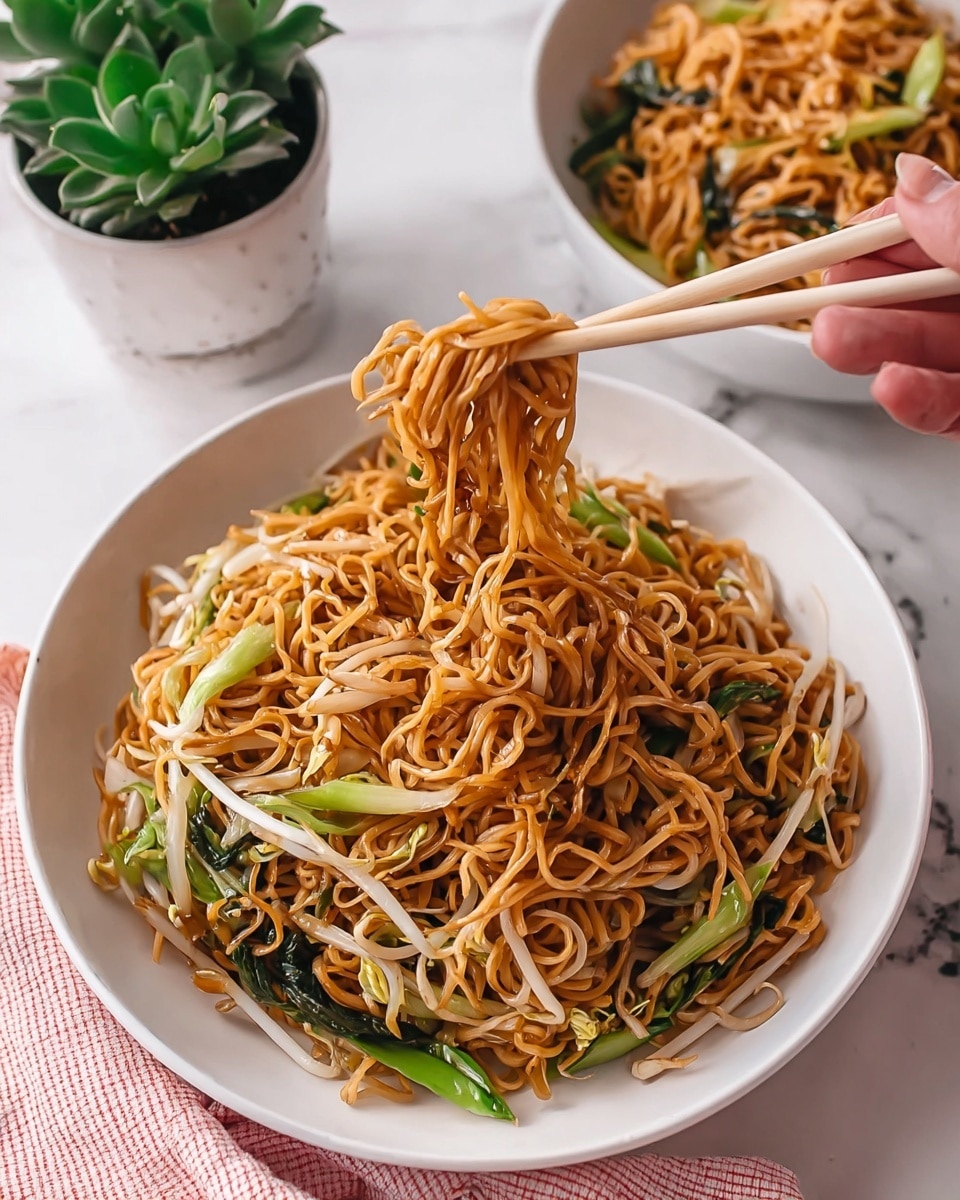
Cantonese Chow Mein Recipe
If you’ve ever craved the comforting, savory delight of a classic Chinese takeout dish, then you’re going to love this Cantonese Chow Mein Recipe. It’s got those perfectly soft yet chewy Hong Kong-style egg noodles tossed with crisp veggies and a flavorful sauce that sings with dark soy and oyster sauce. I always find that making this at home satisfies that takeout craving without all the MSG, and it’s a great weeknight meal that comes together quickly.
What makes this Cantonese Chow Mein Recipe stand out for me is how the sauce balances sweet, salty, and umami so beautifully — yet it’s surprisingly simple to whip up with pantry staples. Plus, the combination of crunchy bean sprouts and sweet onions adds a fresh crunch that really elevates the texture. Let me walk you through my tips and tricks so your version turns out just right every time.
Ingredients You’ll Need
The ingredients for this Cantonese Chow Mein Recipe come together to create that addictively savory flavor with the perfect noodle texture. I always say fresh noodles are key here, but there are some handy swaps you can consider if you’re in a pinch. Let’s dive into each ingredient so you know why they work.
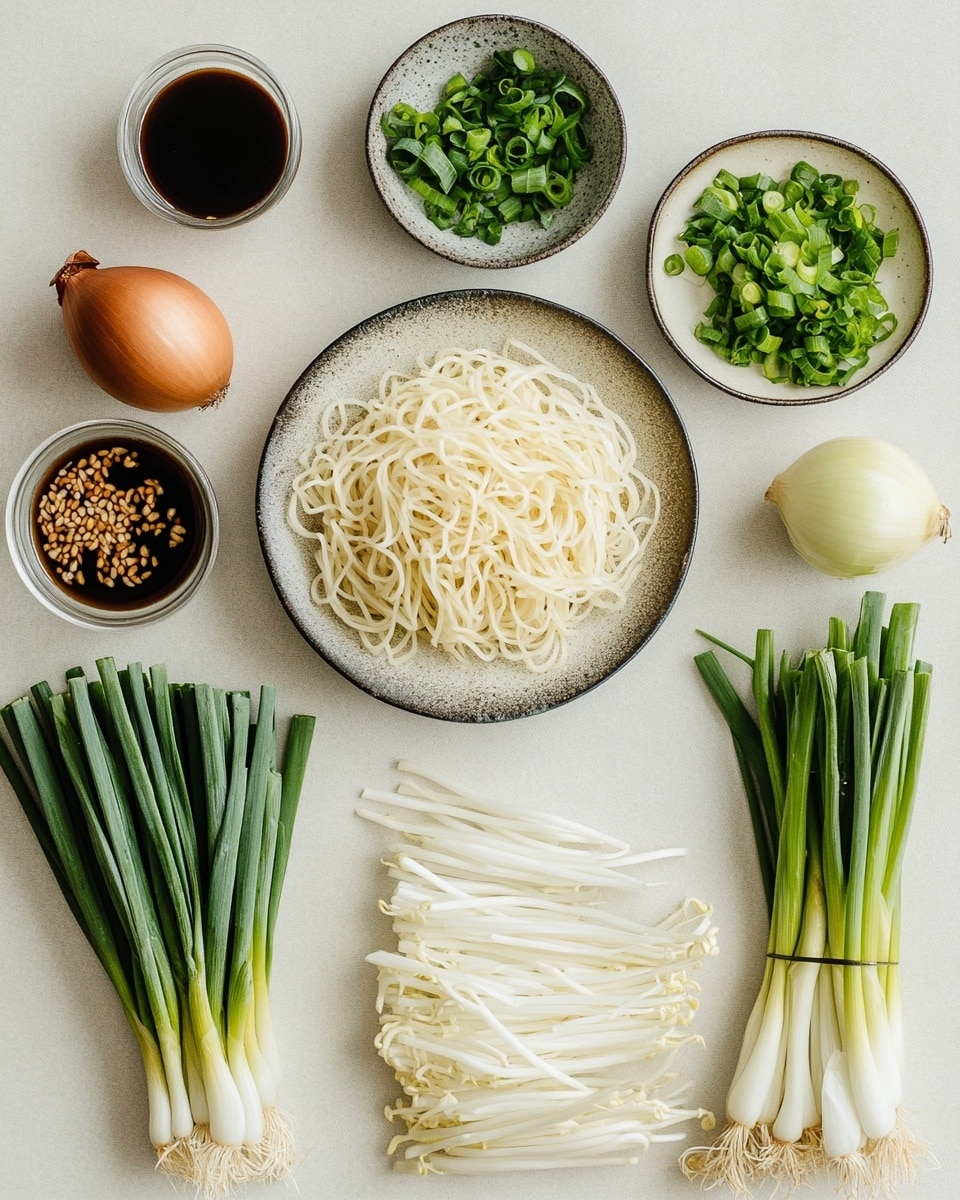
- Chow mein egg noodles: I prefer fresh, thin Hong Kong-style noodles because they cook quickly and have that lovely springy bite. If you can find these at an Asian market, grab ’em!
- Yellow onion: Thinly slicing gives you just a hint of sweetness and crunch without overpowering the dish.
- Green onions: Using both the whites and greens adds layers of mild onion flavor and color.
- Bean sprouts: These bring that crisp, fresh texture that contrasts nicely with the soft noodles.
- Corn oil or neutral oil: A high smoke point oil like corn oil ensures a good stir-fry without any burnt flavors.
- Sesame oil: Added at the end for a fragrant, nutty finish that rounds everything out.
- Dark soy sauce: This provides depth, color, and a touch of sweetness—different from regular soy sauce.
- Regular soy sauce: Adds the salty, savory backbone everyone expects.
- Oyster sauce: The secret umami weapon to make your chow mein taste restaurant-worthy.
- Fish sauce: Tiny amount adds complexity and sharpness without a fishy aftertaste.
- Granulated sugar: Balances the salty and savory elements to create harmony.
- Water: Helps loosen the sauce so it coats the noodles evenly without clumping.
Variations
Everyone likes putting their own spin on classic recipes, and I’m no different. Feel free to customize this Cantonese Chow Mein Recipe by adjusting veggies or proteins to suit your taste or what’s on hand. That’s part of the fun!
- Add protein: When I want a heartier meal, I toss in sliced chicken, shrimp, or even tofu—just stir-fry it ahead before adding the noodles.
- Vegetarian version: Swap out oyster sauce for vegetarian mushroom sauce and skip the fish sauce. Plenty delicious and flavorful that way!
- More veggies: Snow peas, bell peppers, or shredded carrots make colorful, crunchy additions if you want to load up on greens.
- Spicy kick: A dash of chili oil or fresh chopped chilies wakes this dish up if you like heat.
How to Make Cantonese Chow Mein Recipe
Step 1: Prep your ingredients for speedy cooking
Before you fire up the wok, have all your ingredients ready. Slice the onions thin, chop the green onions, rinse and drain the bean sprouts, and mix your sauces in a small bowl. If your fresh chow mein noodles are stuck together, gently loosen them with your fingers or soak briefly in warm water. This prep saves time and helps you stir-fry everything quickly without burning or overcooking.
Step 2: Stir-fry the aromatics and veggies
Heat your corn oil in a wok or large skillet over medium-high heat until shimmering. Toss in the yellow onion slices and the white parts of the green onions, stirring constantly. Give it a minute until fragrant and slightly softened, then add in the bean sprouts, cooking just long enough to keep their crunch. Remember, you want layers of texture here — don’t overcook the veggies or they’ll lose their snap.
Step 3: Noodles and sauce come together
Now add the fresh chow mein noodles to your wok—if they’re a bit sticky, be gentle and loosen as you toss them with your veggies. Pour your pre-mixed sauce over the noodles and stir-fry quickly to coat everything evenly. The key here is a hot pan and fast, constant stirring to get a nice, glossy finish without soggy noodles.
Step 4: Finish with green onion greens and sesame oil
Just before taking the chow mein off the heat, stir in the green parts of the scallions and drizzle the toasted sesame oil over the top. This last touch adds that irresistible aroma and slight nuttiness that makes all the difference. Give it one last toss, then plate it up while it’s piping hot.
How to Serve Cantonese Chow Mein Recipe
Garnishes
When I serve this Cantonese Chow Mein Recipe, I like to keep garnishes simple: a little extra sliced green onion and sometimes a sprinkle of toasted sesame seeds adds a nice touch. You can also add fresh cilantro or a few chili flakes if you want a bit of brightness or heat.
Side Dishes
Pairing this chow mein with simple sides like steamed bok choy, crispy spring rolls, or even some quick steamed dumplings turns your meal into a full Chinese feast. For me, a light cucumber salad with rice vinegar works beautifully and balances the richness.
Creative Ways to Present
For special occasions, I like to mound the Cantonese Chow Mein on a large platter and garnish with fresh herbs and thin slices of red chili for pops of color. You could also serve it in individual bowls topped with a fried egg for a fun twist, or fill crispy wonton cups for a party appetizer version.
Make Ahead and Storage
Storing Leftovers
I always store leftover Cantonese Chow Mein in an airtight container in the fridge, and it usually keeps well for up to 3 days. To keep the texture, I make sure to cool it quickly and place a paper towel in the container to absorb excess moisture.
Freezing
Freezing isn’t my favorite for chow mein because fresh noodles can get mushy, but if you do freeze it, flash cool the dish then pack tightly in a freezer-safe bag. It’s best eaten within a month, and thaw overnight in the fridge before reheating.
Reheating
The best way I’ve found to reheat leftover chow mein is a quick stir-fry in a hot pan with a splash of oil or water to loosen the noodles. Avoid microwaving if you can, since that tends to make the noodles soggy and limp.
FAQs
-
Can I use dried noodles instead of fresh chow mein noodles?
Yes, you can! While fresh Hong Kong-style noodles are ideal for authenticity and texture, dried egg noodles work in a pinch. Just cook them according to package instructions and drain well before stir-frying. You may want to slightly reduce stir-frying time to avoid overcooking the dried noodles.
-
What’s the difference between Cantonese Chow Mein and other chow mein styles?
Cantonese Chow Mein typically uses thin, fresh egg noodles that are stir-fried lightly with vegetables and a savory sauce, often avoiding heavy oil or battering. In contrast, other styles might use thicker fried noodles or include more oily sauces. The Cantonese style is lighter with a clean, savory taste.
-
Can I prepare the sauce ahead of time?
Absolutely! Making the sauce ahead saves time during cooking and helps the flavors meld. Store it in a sealed container at room temperature or in the fridge for a few days and give it a quick stir before adding to your noodles.
-
How do I prevent the noodles from sticking together?
Fresh chow mein noodles can be sticky, so I recommend loosening them gently with your fingers before cooking. Adding a little oil while stir-frying also helps keep them separate. Stirring constantly and cooking on high heat is key to avoid clumps.
-
Is this recipe gluten-free?
This Cantonese Chow Mein Recipe as written is not gluten-free due to soy sauces and noodles. You can try gluten-free tamari and substitute gluten-free noodles to make a version tolerant to gluten sensitivities.
Final Thoughts
This Cantonese Chow Mein Recipe really feels like a little culinary hug when life gets busy. The balance of flavors and textures means it never gets boring, and making it yourself lets you customize it just the way you like. I hope you’ll give it a go the next time you want something quick, delicious, and comforting—trust me, your taste buds will thank you!
Print
Cantonese Chow Mein Recipe
- Prep Time: 10 minutes
- Cook Time: 8 minutes
- Total Time: 18 minutes
- Yield: 4 servings 1x
- Category: Main Course
- Method: Stovetop
- Cuisine: Cantonese
Description
This authentic Cantonese Chow Mein features perfectly cooked thin egg noodles stir-fried with a vibrant mix of fresh vegetables and a flavorful blend of soy, oyster, and fish sauces. The dish is quick to prepare and offers a classic taste of Hong Kong street food, balanced with a slight sweetness and savory depth, finished with a hint of toasted sesame oil.
Ingredients
Main Ingredients
- 12 oz chow mein egg noodles (thin fresh noodles, Hong-Kong style)
- ½ small yellow onion, thinly sliced
- 5 stalks green onions, cut into 2-inch pieces, whites and greens divided
- 2 cups bean sprouts
- 3 tablespoons corn oil or any neutral oil
- 1 teaspoon sesame oil (to finish)
Stir Fry Sauce
- 2 tablespoons dark soy sauce
- 1 tablespoon regular soy sauce
- 1 tablespoon oyster sauce
- ½ teaspoon fish sauce
- 1 tablespoon granulated sugar
- 1 tablespoon water
Instructions
- Prepare Noodles: Boil or soak the fresh chow mein egg noodles according to package instructions until just tender. Drain and rinse with cold water to stop cooking and prevent sticking.
- Mix Sauce: In a small bowl, combine dark soy sauce, regular soy sauce, oyster sauce, fish sauce, granulated sugar, and water. Stir well until sugar dissolves, set aside.
- Heat Oil: Heat the corn oil in a wok or large skillet over medium-high heat until shimmering but not smoking.
- Sauté Aromatics: Add the yellow onion and the white parts of the green onions to the hot oil. Stir-fry for about 1-2 minutes until they start to soften and become fragrant.
- Add Noodles: Increase the heat to high, add the drained noodles to the wok. Toss and stir continually to combine and heat through evenly.
- Add Sauce and Vegetables: Pour the stir fry sauce over the noodles, tossing well to coat everything evenly. Add bean sprouts and the green parts of the green onions. Continue stir-frying for 1-2 minutes until the bean sprouts are just tender but still crisp.
- Finish with Sesame Oil: Remove the wok from heat and drizzle the teaspoon of sesame oil over the noodles. Toss gently to distribute the aromatic oil evenly.
- Serve Immediately: Transfer the chow mein to serving plates and enjoy fresh for the best texture and flavor.
Notes
- Fresh Hong Kong-style egg noodles are preferred for authentic texture; if unavailable, use thin fresh or dried egg noodles, adjusting cooking time accordingly.
- Be careful not to overcook vegetables to maintain their crispness and color.
- Adjust the amount of soy sauce according to your taste and salt preference.
- For a vegetarian version, omit the fish sauce and oyster sauce; substitute with mushroom-based sauces if desired.
- Stir-fry at high heat quickly to keep noodles from becoming soggy.
Keywords: Cantonese Chow Mein, stir-fried noodles, Hong Kong noodles, egg noodles, bean sprouts, soy sauce noodles, quick Asian dinner